How smart designers use AI without losing their edge
A lot of designers won’t say it out loud, but many are worried about AI.
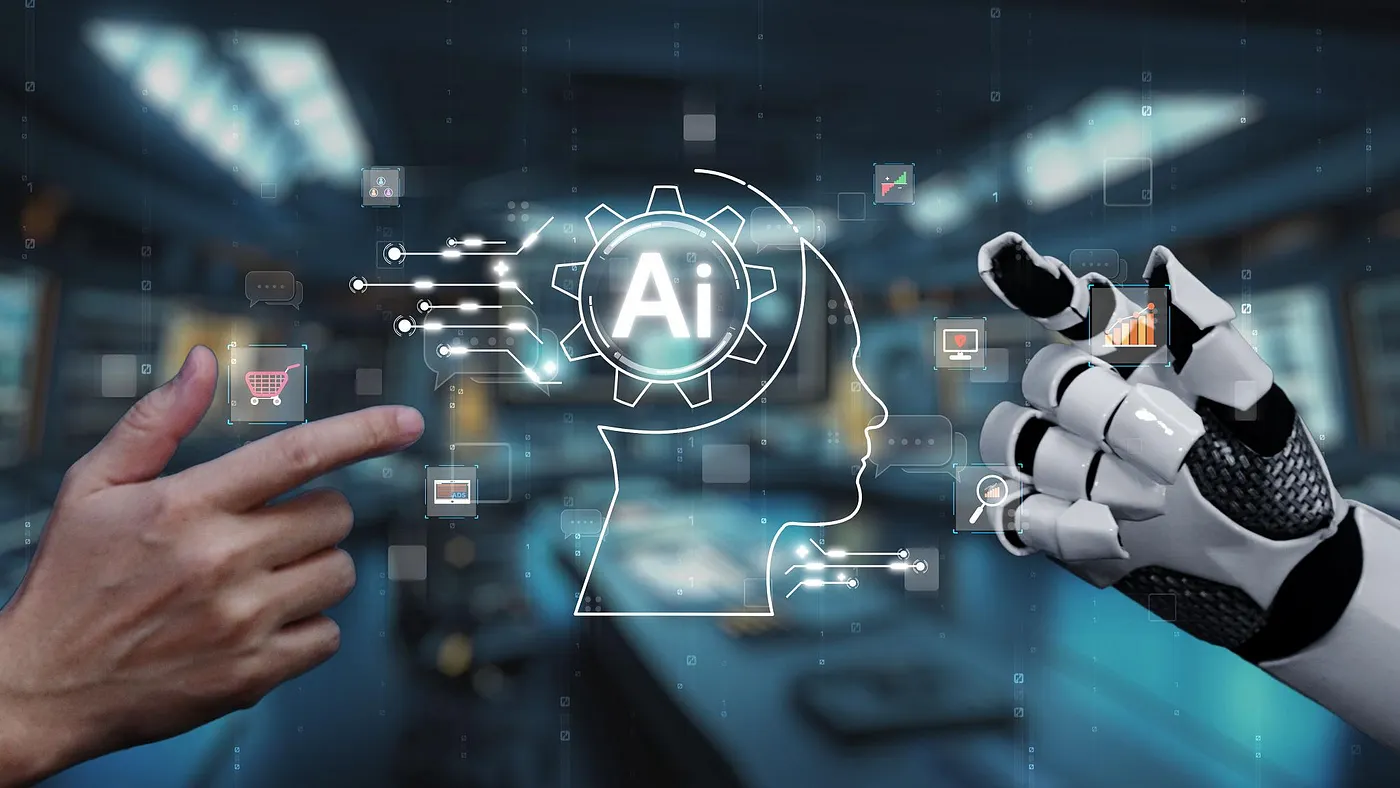
Every week there seems to be a new tool that can generate UI screens, write UX copy, build prototypes, summarize research, or redesign a website in minutes.
It’s easy to look at all of that and wonder where designers fit in next. That fear is understandable. Whenever technology gets faster, people naturally wonder if their role is becoming smaller. But after the noise settles, something more interesting is happening inside real product teams.
The best designers are not spending all their energy fearing AI, they are learning how to use it well. Not as a replacement or magic, but as a tool and that difference matters.
The Internet Talks About AI Wrong
Most conversations about AI and design are extreme. Either:AI will replace designers
AI is useless hype
Designers should ignore it
Designers must fully depend on it
Real work is rarely that dramatic. Inside companies, design is messy, collaborative, political, fast-moving, and full of trade-offs. AI enters that environment the same way every tool does- it helps in some places, creates risk in others, and depends entirely on how people use it.
That is why the smartest designers are not asking, “Will AI replace me?” They are asking: “How can AI make me better at the parts of my job that matter?”
Where Real Designers Use AI Today
1. Getting Past the Blank Page Faster
Starting can be slow. Sometimes the hardest part of design is not polishing-it is beginning. Many designers now use AI to generate:
Rough feature ideas
First-pass flows
Content structures
Wireframe directions
Alternate layouts
That does not mean AI designed the product. It means it helped remove the friction of starting from zero. The real skill is still knowing what is useful, what is weak, and what should be ignored.
Press enter or click to view image in full size

UX/UI Designer using AI tools to improve interface layout and workflows
2. Saving Time on Repetitive Work
Every designer knows some tasks are important but repetitive. Renaming files, Drafting placeholder copy, Creating documentation, Organizing notes, Summarizing meetings. AI can take a first pass at these tasks quickly. That gives designers more time for work that needs human thinking:
Solving user problems
Refining flows
Collaborating with teams
Making better decisions
This is where AI often creates the most practical value.
3. Improving UX Writing
Design is full of words. Buttons, onboarding, errors, confirmations, empty states, tooltips. AI can generate multiple content options in seconds. A smart designer then reviews them for:
Clarity
Tone
Accessibility
Trust
Brand voice
Fast words are easy, Good words still require judgment.
4. Preparing Better for Reviews
Before presenting work, many designers quietly use AI as a sparring partner. They ask:
What usability risks do you see?
What stakeholder objections might come up?
What edge cases am I missing?
Where might users get confused?
That kind of challenge can make presentations stronger and decisions sharper. Used correctly, AI becomes less of a creator and more of a thought partner.
Where Human Designers Still Matter Most
This is the part often missed online. AI can help produce outputs, But products do not succeed because outputs were fast. They succeed because decisions were right.
Press enter or click to view image in full size
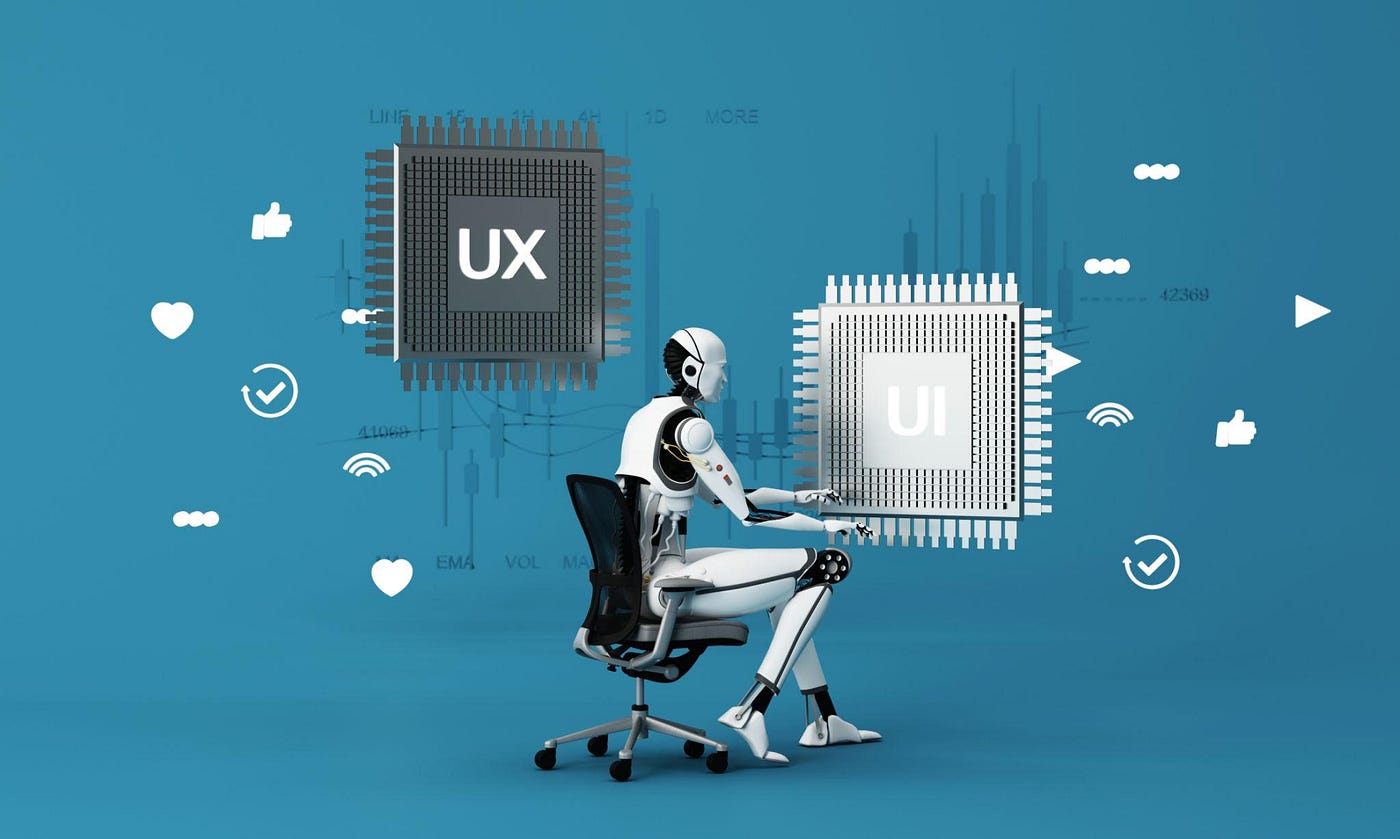
AI assisting UX/UI Designers to improve productivity
Understanding People
Users hesitate, Get confused, Distrust flows, Ignore logic, Change behavior unexpectedly. Human behavior is emotional and contextual, That is why research still matters, that is why empathy still matters & that is why design is more than generating screens.
Handling Trade-offs
Real teams deal with tension:
Business wants speed
Engineering wants feasibility
Users want simplicity
Legal wants caution
Someone has to help navigate those pressures without damaging the experience. That is often design.
Knowing What Not to Build
One of the most valuable things designers do is prevent bad ideas from becoming expensive features. AI can help generate options. It does not automatically know which options should never exist.
Press enter or click to view image in full size

UX/UI Team collaboration and strategy
What Designers Should Really Focus On Now
The designers most at risk are not the ones using AI. They are the ones whose value depends only on producing screens faster. The designers who may become more valuable are those who can:
Frame problems clearly
Run strong research
Simplify complexity
Lead discussions
Influence product direction
Use AI intelligently
Turn ambiguity into clarity
In short- AI raises the bar. It does not remove the profession.
Final Thought
Real designers are not winning by pretending AI is fake. They are also not losing by surrendering to it. They are doing what great designers have always done when new tools arrive:
Learning them, questioning them, and using them with intention. AI may change workflows, It may speed execution, It may reshape some roles. But thoughtful design — the kind that helps people succeed and businesses grow — still needs human judgment.
And that is the part worth building on.

Deepa Rote
Product Designer | UX Strategy Enterprise | AI Experiences
If you like what you see or have any questions, feel free to send me an email anytime.
Share this article
Recent articels
I write about the future of design and the life of a product designer
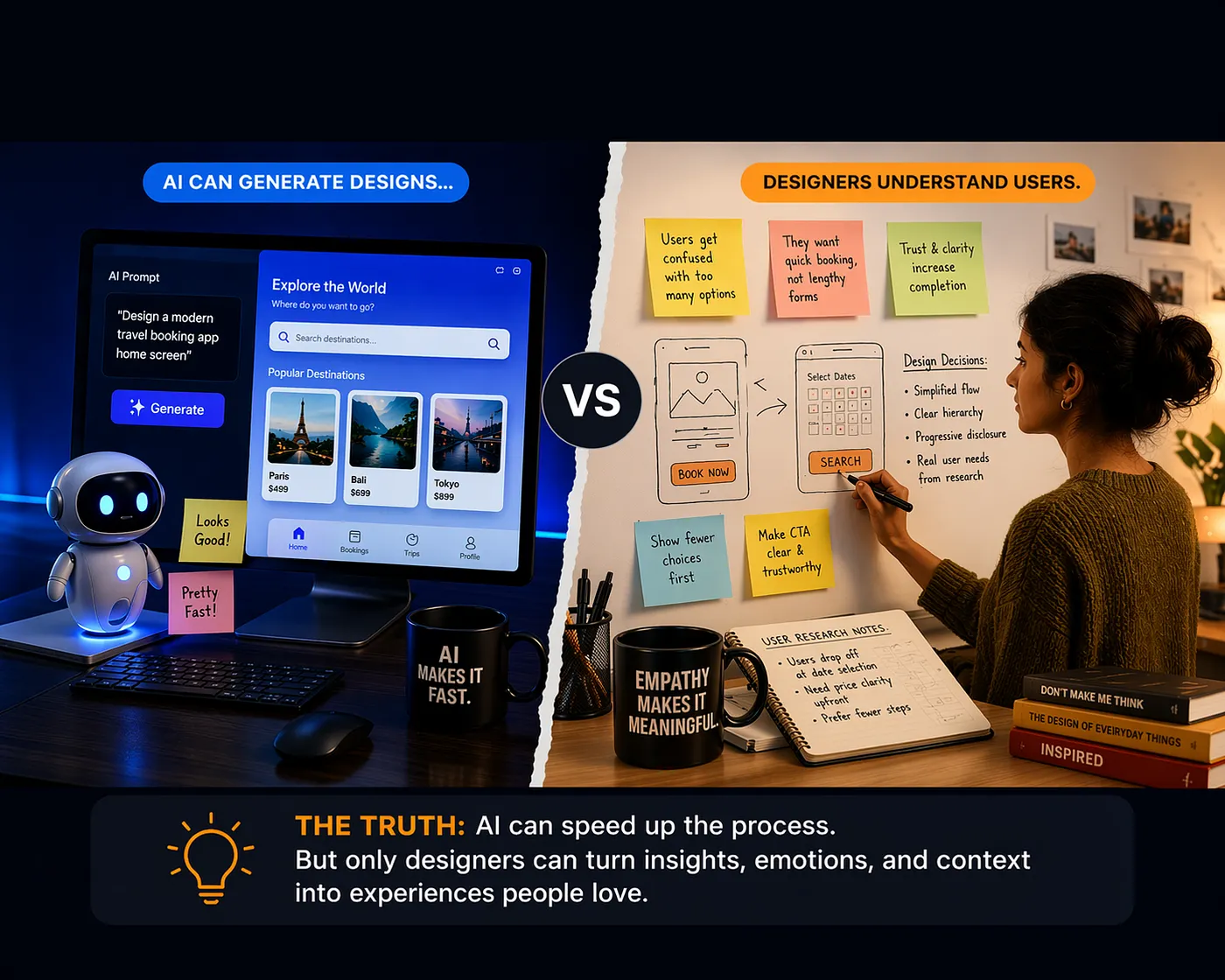
Companies Think AI Will Replace Designers. They’re Missing One Big Truth.
Why AI can generate screens, but still can’t replace UI/UX design thinking, human expertise, and user understanding.
Apr 17, 2026
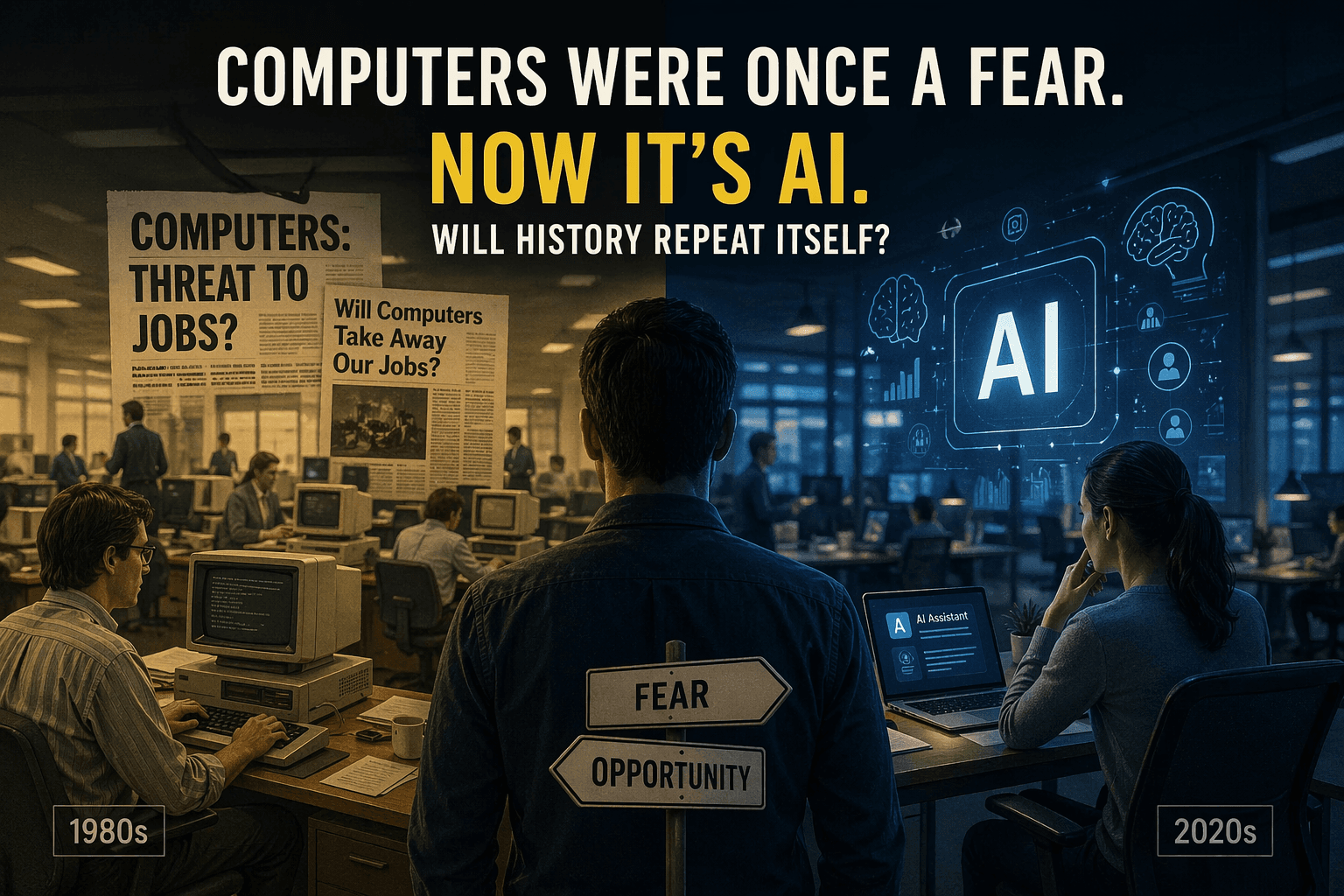
Computers Were Once a Fear. Now It’s AI. Will History Repeat Itself?
History suggests technology often changes work more than it eliminates it
Apr 24, 2026